Empowering Communities: Innovative Strategies for National Policing and Public Safety
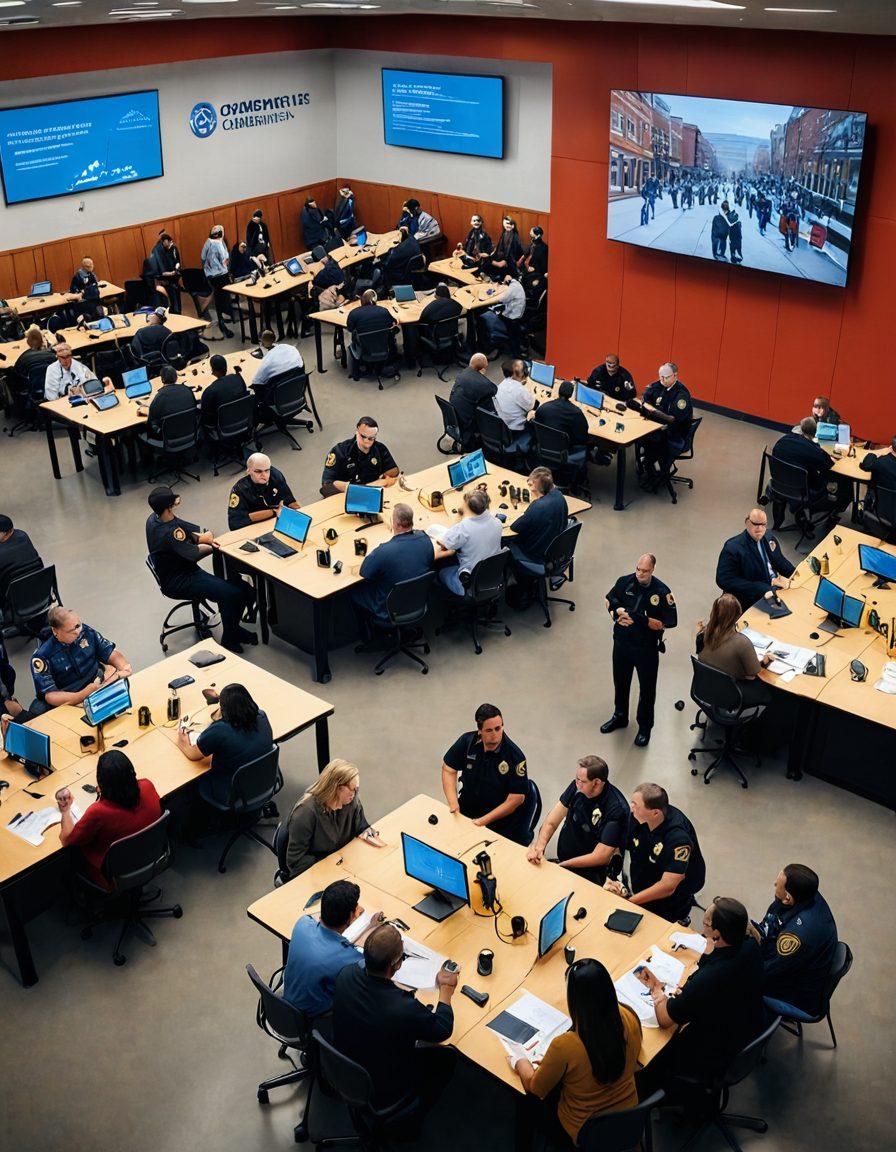
In today's ever-evolving society, the bond between law enforcement and the community has never been more crucial. As we contemplate the complexities of national policing, it becomes evident that fostering robust police-community relationships is essential for ensuring a safer nation. Imagine this: a neighborhood where police officers aren't just enforcers but trusted allies. How can we move towards this vision? Let’s explore innovative strategies that empower communities and enhance public safety initiatives, paving the way for effective crime reduction.
Building bridges between law enforcement and communities requires more than just policies; it demands understanding, transparency, and a genuine commitment to community safety. Take a moment to ponder: have you ever felt anxious about police interaction? Many individuals have these concerns, which is why establishing safety awareness programs and community safety programs is vital. When enforcement agencies prioritize proactive engagements rather than reactive interventions, crime deterrence becomes a natural outcome. In essence, the foundation of public safety lies in mutual trust and consistent communication.
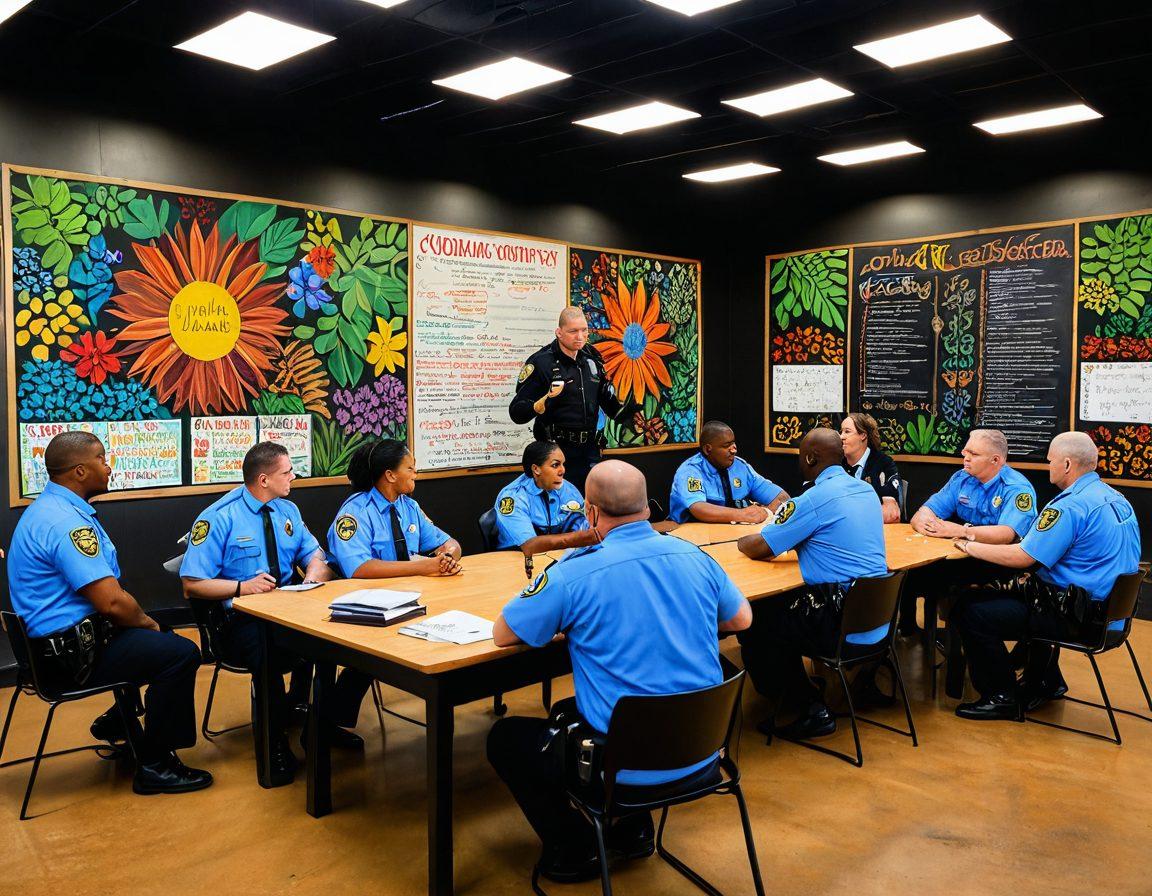
One powerful strategy is to revamp police policies to prioritize community involvement. Imagine officers conducting regular community forums, not just to discuss crime analysis but to listen and respond to community concerns. By inviting feedback, law enforcement can tailor their public safety campaigns to be genuinely reflective of the community's needs. As a result, communities feel seen and heard, and they are more likely to collaborate in maintaining security measures that protect everyone. Such approaches not only improve police community relations but also bridge the gap often felt between enforcement agencies and citizens.
Moreover, investing in justice system reform can pivot the relationship between police and the public. Implementing training that emphasizes de-escalation techniques fosters a culture of respect and understanding. Quote the wise words of Nelson Mandela, “It always seems impossible until it’s done.” When communities see law enforcement stepping outside the traditional and embracing this transformative approach, it generates hope and strengthens the resolve for collective crime reduction efforts. An empowered community reaffirms its role in national security, feeling empowered to take part in shaping policies that affect their lives.
So, how do we continue to enhance police-community relationships? Accountability and transparency must govern police interaction. Utilizing technology and social media platforms, law enforcement can share safety resources, promote community safety initiatives, and invite citizens to engage in the broader dialogue of public safety. Together, we can redefine policing, ensuring that communities are not mere subjects of law enforcement but active participants in creating sustainable safety. Now is the time for communities and police to unite in their ambition for a safer future, grounded in mutual respect and collaboration.
Innovative Policing: Strategies to Reduce Crime and Boost Public Safety
In an era where safety and security seem perpetually threatened, innovative policing strategies have emerged as beacons of hope for communities everywhere. As we navigate the complex landscape of national policing, it becomes apparent that traditional law enforcement methods alone are insufficient. That’s why engaging communities in public safety initiatives is vital. How can we redefine crime deterrence in a way that boosts public trust while effectively addressing crime? Let's delve into innovative ways to transform policing into a community-driven force for good.
Imagine walking through your neighborhood, where the streets are filled with laughter rather than fear. This vision is achievable through effective community safety programs that connect law enforcement agencies with local residents. When police interaction is collaborative rather than confrontational, the community feels empowered. According to a recent report, communities that prioritize safety awareness and foster strong police community relations see a notable decrease in crime rates. Could it be that community involvement is the missing link in enhancing national security?
One of the most impactful strategies for crime reduction lies in the integration of data-driven approaches to policing. Crime analysis and predictive policing have changed the game by allowing law enforcement agencies to anticipate criminal activities before they occur. This begs the question: How can we ensure that advancements in technology uphold justice system reform without further bias? Balancing innovative security measures with ethical considerations is crucial for fostering trust in the criminal justice system.
Furthermore, implementing public safety campaigns that educate residents about proactive measures—such as neighborhood watch programs and self-defense workshops—can significantly enhance community resilience. When people feel informed and engaged, they take ownership of their surroundings, effectively turning everyday citizens into vigilant defenders of their communities. Have you ever participated in a safety resource workshop? The knowledge gained can be both empowering and transformative; it’s about creating a culture of safety as a collective effort.
Ultimately, the future of national policing hinges on collaboration, communication, and trust. As we advocate for progressive police policies that emphasize community engagement, let’s remember that effective crime deterrence isn’t just about enforcement; it’s about fostering environments where public safety flourishes. By embracing innovative policing strategies, we can reshape our communities into safe havens where every individual feels valued and secure. So, what role can you play in your community’s safety narrative?
Empowering Voices: Community-Led Initiatives Shaping National Law Enforcement Policies
In the heart of every thriving community lies the pulse of public safety—a vibrant symphony composed of voices that resonate powerfully in shaping national policing strategies. The narrative of community-led initiatives is taking center stage, highlighting the critical role that citizens play in shaping law enforcement policies. As we engage in this conversation, we are compelled to ask ourselves: How can community contributions redefine our understanding of safety and security measures?
Statistics show that communities with positive police community relations experience lower crime rates. This sets the groundwork for innovative public safety initiatives that not only focus on enforcement but also on prevention and awareness. A quote by renowned civil rights activist Angela Davis says it best: "We have to talk about liberating ourselves by any means necessary." This mantra has inspired countless community safety programs that empower residents to take charge of their own safety and security, leading to sustainable crime deterrence and justice system reform.
Consider the impact of grassroots campaigns that have emerged in response to crime. Neighborhood watch programs are not merely about surveillance; they foster a sense of belonging and vigilance among residents. They encourage participation in public safety campaigns that underscore the importance of safety resources. How do these interactions between law enforcement agencies and community members influence national security policies? They create a feedback loop of trust and accountability, permitting more effective community safety strategies that evolve with the needs of the people.
Furthermore, the effectiveness of crime analysis in shaping police policies cannot be overstated. When communities engage in dialogue around crime data, they influence enforcement strategies that are more representative of their unique challenges. The journey toward improving police interaction begins with this transparency and collaboration. Communities are not just passive recipients of public safety measures; they are the architects of their own security narratives. As advocates for change, they help bridge the gap between citizens and enforcement agencies, ensuring that safety is a shared responsibility.
Equipped with knowledge and determination, communities across the nation are not waiting for change; they are demanding it. Empowering voices in these communities is critical for shaping not only national policing policies but also for enhancing community safety programs. As we reflect on our role within this intricate landscape, let’s consider: Are we ready to champion a new era of public safety that uplifts every voice and prioritizes community well-being? Through collective action and engagement, we can indeed remodel our justice system to be one that serves, protects, and uplifts the very fabric of our diverse communities.